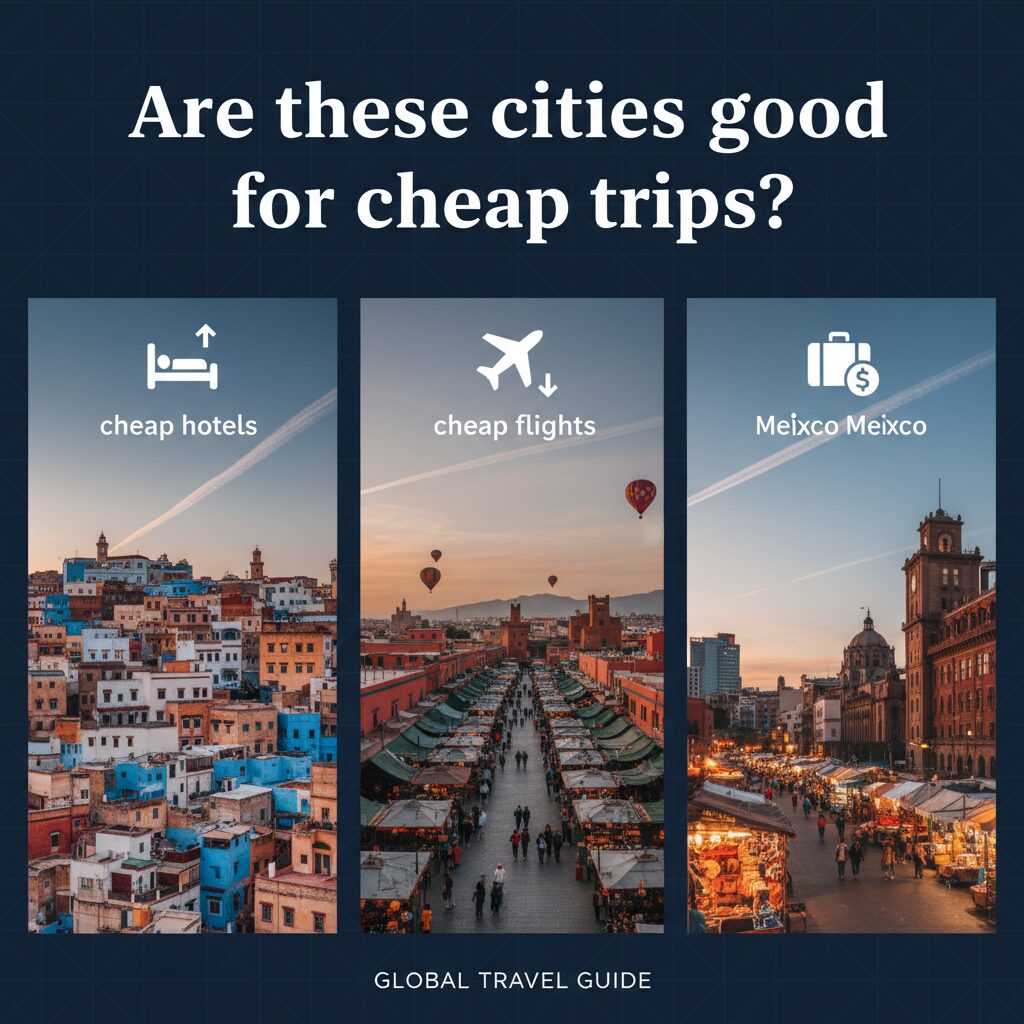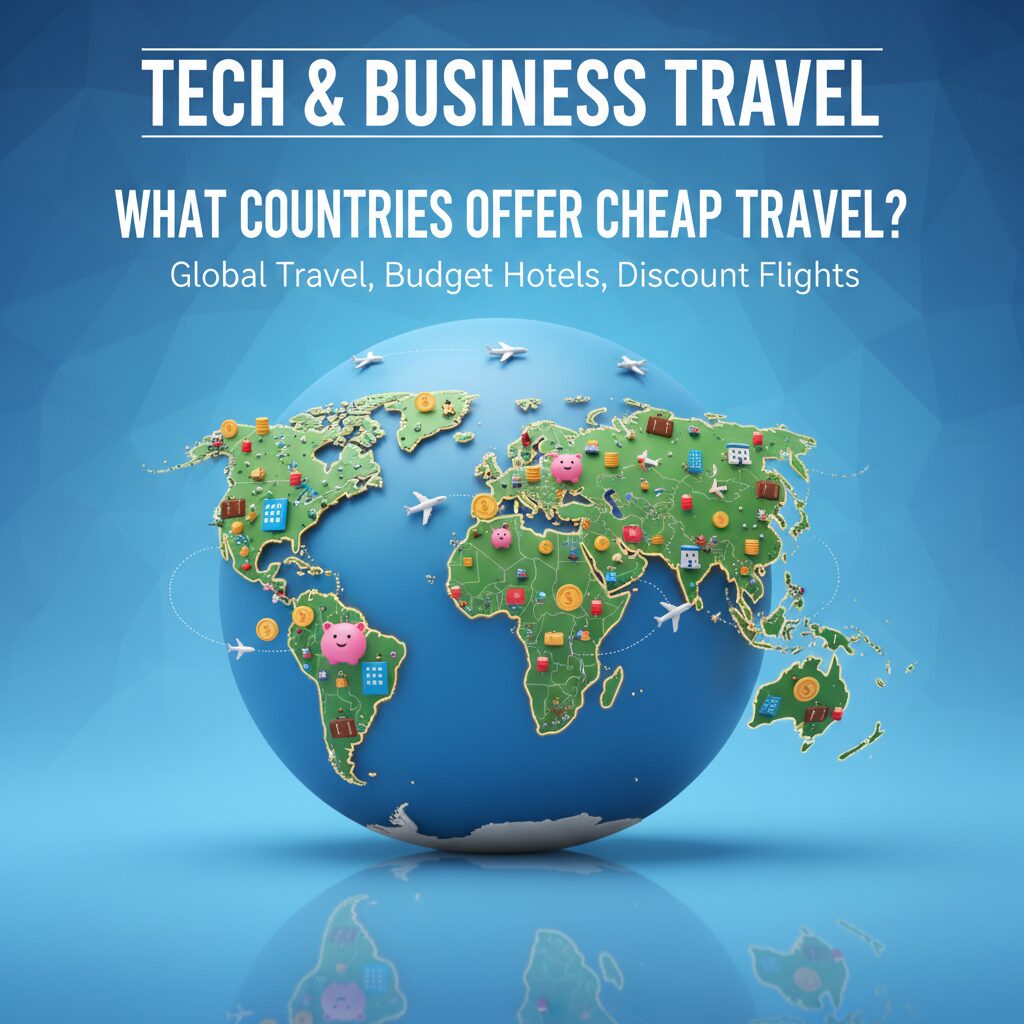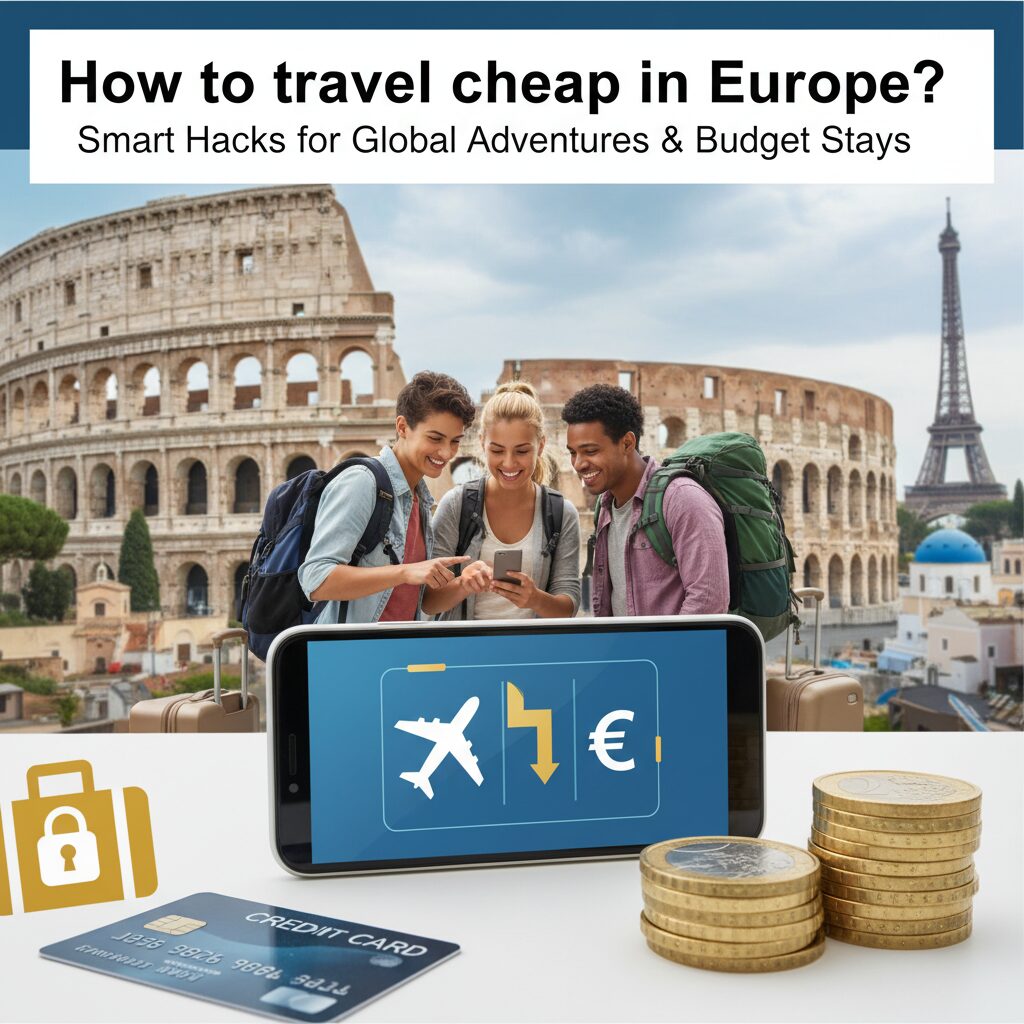
How to travel cheap in Europe?
How to Travel Cheap in Europe: The 2025 Inflation-Proof Guide
Look, I get it. You’ve looked at flight prices recently, checked the cost of a hostel in Amsterdam, and felt your stomach drop. The days of the ubiquitous €10 flight are fading. In fact, Michael O’Leary, the CEO of Ryanair, stated in a 2024 Financial Times interview that “the era of the €10 flight is largely over,” forcing travelers to look at secondary airports and be flexible with dates to find value.
But here’s the thing most travel guides won’t tell you: Europe is currently a two-speed economy for tourists. While Paris and London have become eye-wateringly expensive, other regions have actually become better value due to currency fluctuations and new infrastructure.
I’ve spent the last decade crisscrossing this continent, from the fjords of Norway to the beaches of Albania. In this guide, I’m cutting through the fluff. I’m not just going to tell you to “cook your own food.” I’m going to show you exactly how to travel Europe on a budget in 2025, backed by real data, not just anecdotes.
The “Golden Triangle” of Budget Travel
If you want to know the cheapest way to travel Europe, you have to master the Golden Triangle: Timing, Location, and Transport. If you get two of these right, you save money. If you get all three right, you can travel for half the price of the average tourist.
1. The “Eastern Shift”: Why the Balkans are the New Western Europe
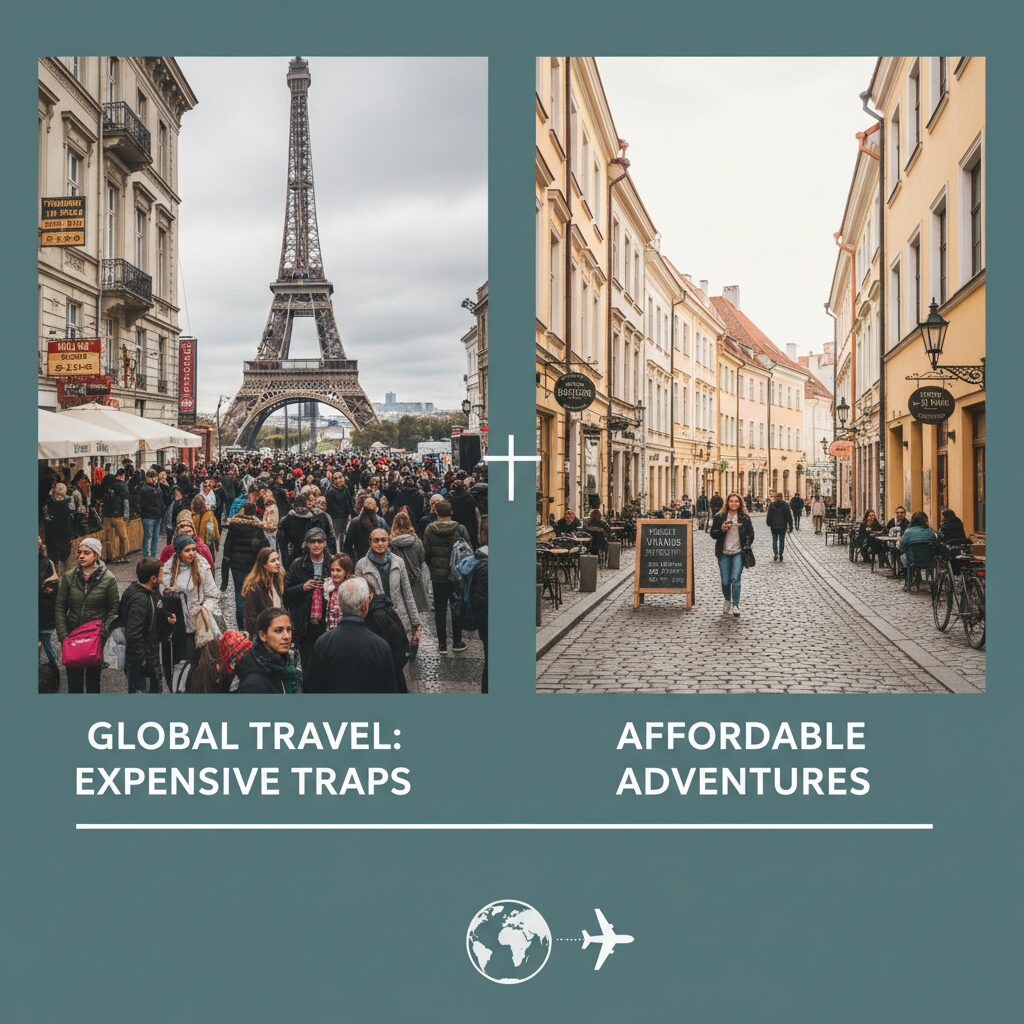
Stop trying to do “EuroTrip 2004” in 2025. The classic route (London-Paris-Rome) is where your budget goes to die. The smartest financial move you can make is shifting your itinerary East.
According to Eurostat’s June 2024 data, Bulgaria and Romania remain the cheapest countries in the EU for consumer goods and services, sitting at just 59% of the EU average. That means your dollar stretches nearly twice as far there as it does in France.
My Personal Strategy: When I want Mediterranean vibes without the Italian price tag, I go to Albania. You get the same Adriatic sea, the same olive groves, but accommodation is often 70% cheaper. A recent comparison of dining costs via the Numbeo Cost of Living Index (Jan 2025) shows that a mid-range three-course meal for two in Lisbon is €45, compared to €80 in Paris. Move that to Tirana, and it drops to roughly €30.
2. The New Shoulder Season (It’s Not May Anymore)
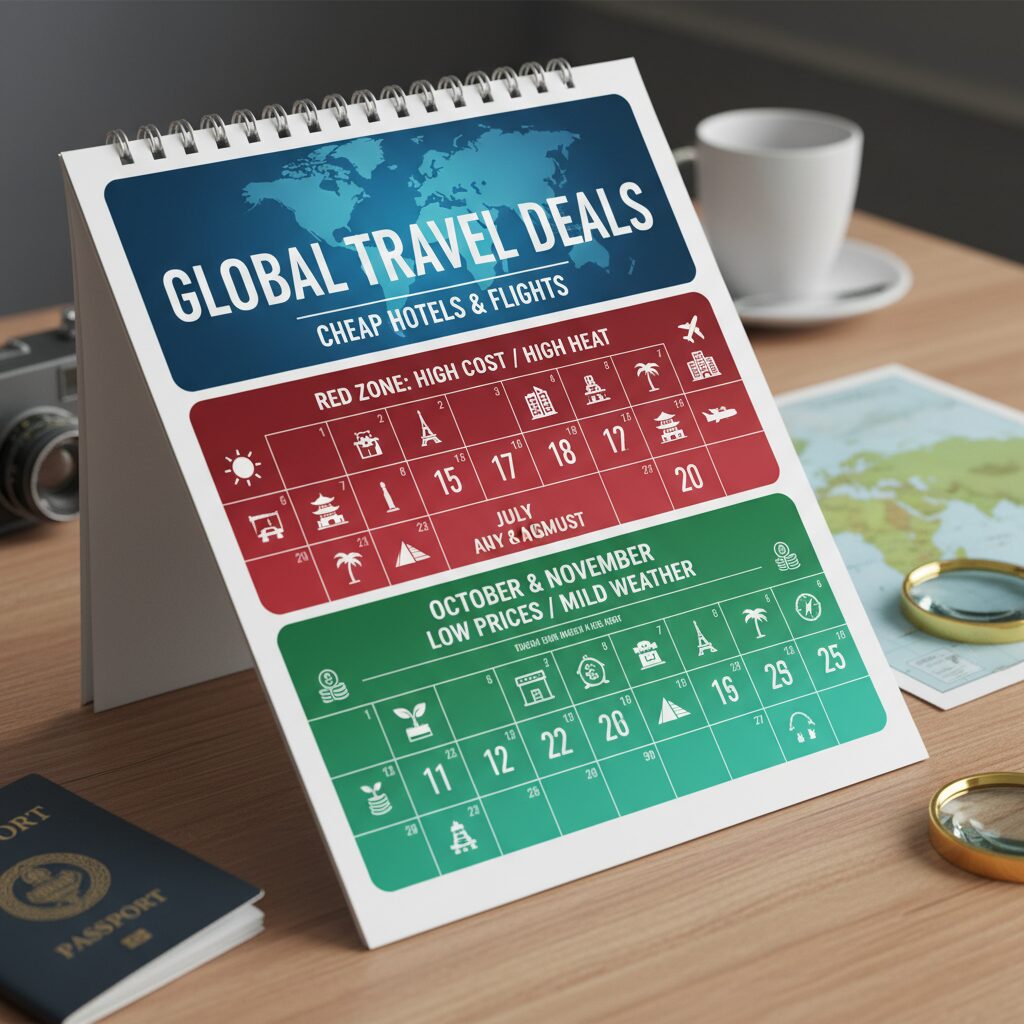
Traditionally, “shoulder season” was May and September. But climate change has shifted the travel calendar. Southern Europe in July and August is now often dangerously hot, pushing travelers to the cooler months.
Eduardo Santander, Executive Director of the European Travel Commission, noted in a Q3 2024 report that there is a “distinct shift in travel patterns,” with tourists choosing months like October and April to avoid extreme heatwaves.
The Strategy: Aim for late October to mid-November. Flights are cheaper, the weather in the south is still mild (t-shirt weather in Seville or Athens), and accommodation prices plummet.
Mastering Transportation Without Breaking the Bank
Transport is usually the second biggest expense after accommodation. Here is how to hack the system in 2025.
Trains vs. Planes: The New Math
For years, flying was always cheaper. That’s changing. Eurostat data from September 2024 indicates that rail passenger transport in the EU increased by 4.9% compared to the previous year. Governments are subsidizing rail to meet climate goals, while flights are getting hit with environmental taxes.
The Eurail Pass Hack: Is the Eurail pass worth it? It depends on your speed of travel. If you are visiting 4 cities in one month, buying point-to-point tickets is usually cheaper. However, if you are moving fast, the pass wins.
Case Study: The Interrail Math
I ran the numbers for a standard 2025 trip: London -> Paris -> Brussels -> Amsterdam.
- Point-to-Point Tickets (booked 1 week out): €480
- Eurail Global Pass (4 days in 1 month): €283 + €90 (mandatory seat reservations) = €373
- Total Savings: €107
Prices verified via Trainline and Eurail.com, Jan 2025 pricing.
The Rise of Budget Buses
If you have more time than money, the bus is your best friend. FlixBus remains the king, but look for competitors like RegioJet (central Europe) or BlaBlaBus.
For example, a train from Prague to Berlin can cost €60. The FlixBus often costs €15-€20. Yes, it takes longer, but modern buses have Wi-Fi and power outlets. It’s effectively a mobile office for digital nomads.
Flight Hacking in 2025
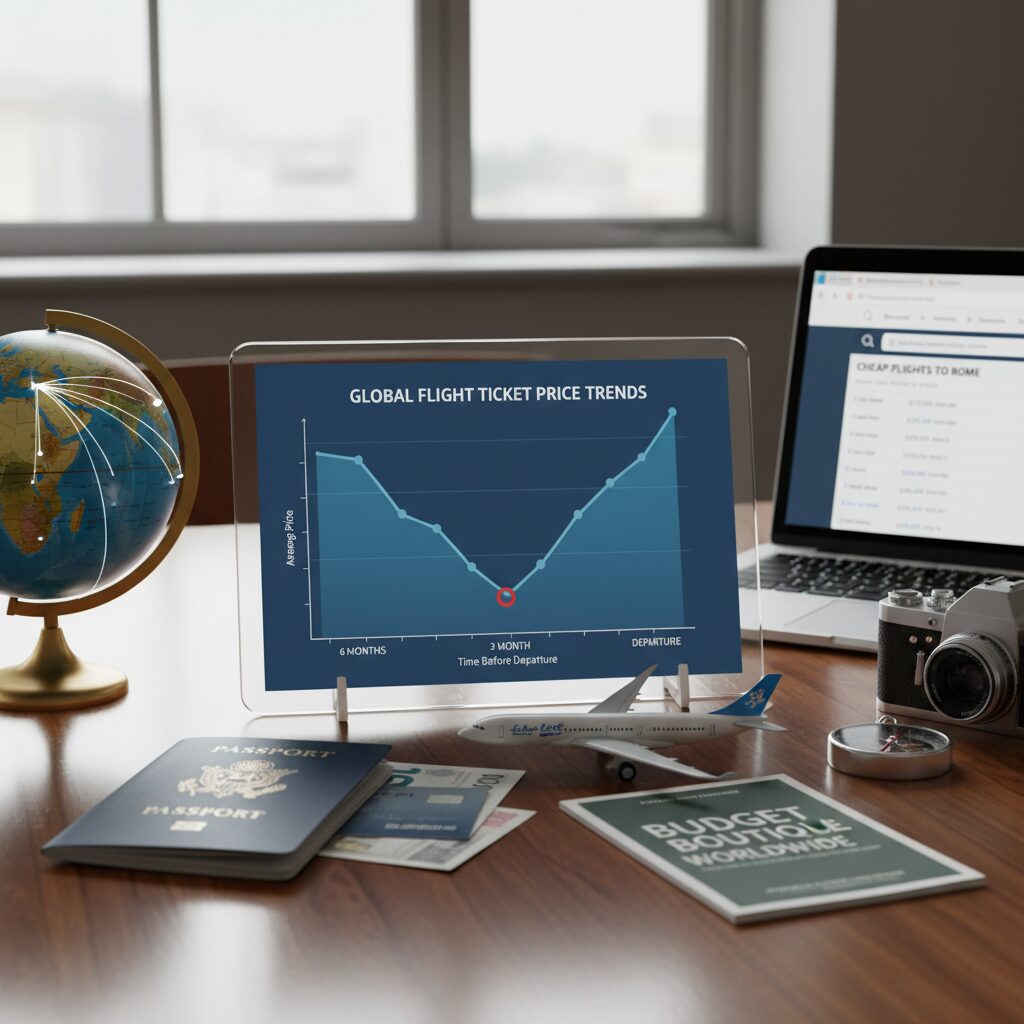
If you must fly, you need to book early. The 2024 Expedia Air Travel Hacks Report revealed that booking intra-European flights 3 months in advance saves an average of 48% compared to booking 2 weeks prior. Spontaneity is expensive.
Accommodation Hacks Beyond Hostels
Here’s a hard truth: Hostels aren’t always the cheapest option anymore. According to Phocuswright Analysis (Late 2024), average hostel prices in Europe have risen by roughly 14% year-over-year.
1. University Dorms and Monasteries
During the summer, many universities rent out their dorm rooms to travelers. These are often centrally located and cheaper than hotels. Similarly, “Monastery Stays” in places like Italy offer simple, clean rooms for a fraction of the cost of a hotel—you just have to respect the curfew.
2. Night Trains as Accommodation
This is my favorite efficiency hack. You combine transport and accommodation costs into one ticket. ÖBB (Austrian Federal Railways) has expanded their Nightjet routes in 2024, including lines like Berlin to Paris. If you book early, tickets can start from €29.90.
Think about it: You save a night’s hotel fee (let’s say €50) and a train ticket (€60). You spend €30 total. That’s an €80 saving in one night.
Financial Logistics: Stop Giving Banks Your Money
I still see travelers exchanging cash at airport kiosks and losing 15% of their budget. Stop doing this.
The ATM Strategy
Never exchange cash. Always use an ATM in the country you are visiting. However, you need the right card. Traditional banks often charge a 3% foreign transaction fee plus a $5 ATM fee.
I recommend using travel-specific cards like Wise or Revolut. These cards allow you to hold multiple currencies and use the mid-market exchange rate (the real one found on Google). Over a month-long trip, avoiding that 3% fee on a €2,000 budget saves you €60—that’s two nice dinners in Lisbon.
VAT Refunds
If you buy clothes or electronics, you are technically eligible for a tax refund since you aren’t an EU resident. This is roughly 20% of the purchase price. Look for the “Tax Free” sticker in shop windows, get the form, and process it at the airport before you leave. It’s free money.
Interactive Tool: Daily Budget Estimator
Not sure how much you need? I built this simple calculator based on current 2025 averages to help you plan.
🇪🇺 Europe Daily Budget Calculator
Eating Like a Local (And Paying Like One)
Food is where budgets unravel. You get tired, you see a restaurant near the Eiffel Tower, and suddenly you’ve spent €30 on a mediocre salad.
The “Menu del Dia” Rule
In Spain and parts of Portugal, lunch is the main meal. Look for the Menu del Dia. It’s a set price (usually €10-€15) for three courses including wine. It is significantly cheaper than ordering dinner a la carte.
Supermarket Tourism
If you are backpacking Europe, you will be cooking. But not all supermarkets are created equal. I’ve learned to spot the discount chains:
- Poland: Look for Biedronka (The ladybug logo). It’s incredibly cheap.
- Spain/Portugal: Mercadona and Pingo Doce.
- Germany/Everywhere: Lidl and Aldi.
Also, download the app Too Good To Go. It connects you with bakeries and restaurants that have leftover food at the end of the day. You can often grab a bag of pastries or a full meal for €3-€4.
Navigating Tourist Taxes and Fees
Be aware of the new costs popping up. In an effort to combat overtourism, cities are adding fees. For example, Venice has implemented a €5 entry fee for day-trippers on peak days. Always check official city websites before you arrive so you aren’t surprised.
FAQ: Common Budget Concerns
Is Europe expensive to visit in 2025?
Western and Northern Europe (Scandinavia, Switzerland, London, Paris) are expensive. However, Eastern and Southern Europe (Albania, Bulgaria, Portugal) remain very affordable. Your costs depend entirely on your geography.
How much money do I need for 2 weeks in Europe?
For a backpacker in mixed regions (some West, some East), budget around €1,000 – €1,200 excluding flights. This covers hostels, cheap eats, and public transport.
What is the cheapest month to travel to Europe?
November and February generally offer the lowest prices for flights and accommodation, though the weather will be cooler and days shorter.
Final Thoughts
Traveling cheap in Europe isn’t about denying yourself pleasure. It’s about allocating resources. I would rather spend €50 on a paragliding experience in Interlaken and eat a €3 supermarket sandwich than spend €50 on a mediocre dinner and do nothing.
The “Eastern Shift” is real. The rail revival is real. If you plan ahead, use the tools available, and step just slightly off the beaten path, Europe is still the world’s greatest playground—even on a budget.
Summary Checklist for 2025:
- Shift East: Prioritize countries like Albania, Poland, and Romania.
- Book Early: Flights 3 months out; Night trains as soon as released.
- Use Apps: Wise for banking, Too Good To Go for food, Omio/Trainline for transport comparisons.
- Travel Slower: Staying longer in one place reduces daily average spend.