Are hostels good for budget travel?
Are Hostels Good for Budget Travel? The 2025 Reality Check (Safety, Cost & Vibe)
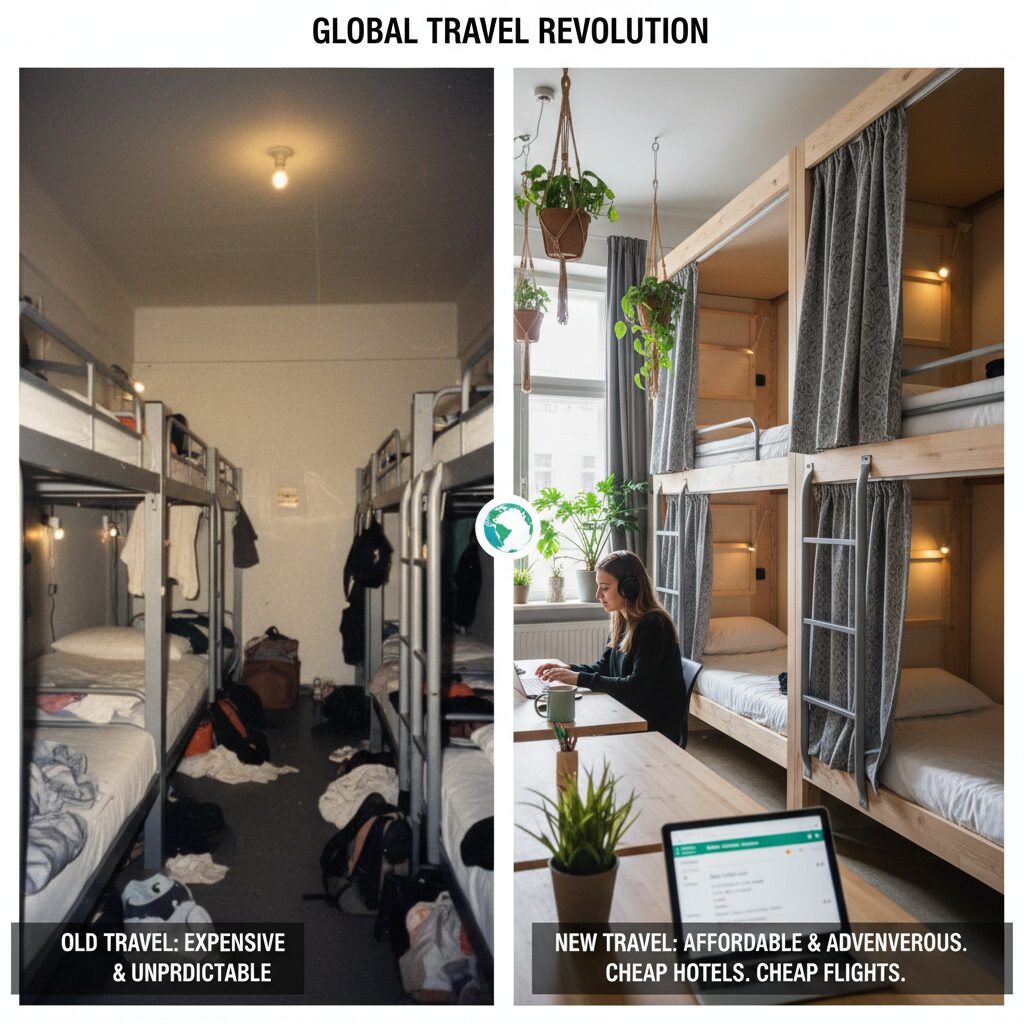
Forget the creaky bunk beds, questionable carpet stains, and cold showers of the early 2000s. If you haven’t stepped foot in a hostel since the pandemic, you might be operating on outdated information. In 2025, budget travel has evolved into a sleek hybrid of rooftop pools, high-speed coworking spaces, and privacy curtains—often for around $30 a night.
I’ve spent the last decade navigating the budget travel scene, from grim dorms in Eastern Europe to “Poshtels” in Southeast Asia that rival 4-star hotels. The question isn’t just “are hostels cheap?” anymore. It’s “do they offer value?”
Whether you are a solo female traveler worried about safety, a digital nomad needing reliable WiFi, or a couple looking to save on a mortgage deposit while seeing the world, this guide breaks down the financial and experiential reality of hostel life in 2025.
The Financial Verdict: Hostels vs. Hotels vs. Airbnb
Let’s get straight to the bottom line. Is it actually cheaper to stay in a hostel in 2025? In my experience, the answer is a resounding yes, but the gap is narrowing in some major cities due to local tourist taxes and rising operational costs.
However, the value proposition has shifted. According to Hostelworld Group PLC (2025), the average net booking value for a hostel stay in 2024 was approximately €13.21. While this average is dragged down by ultra-cheap destinations in Asia, even in Europe, you are looking at significant savings compared to the hotel market.
Price Breakdown 2025: How Much Can You Actually Save?
I’ve compiled a comparison based on average nightly rates in major tourist hubs (Paris, Bangkok, New York) for the upcoming travel season.
| Feature | Hostel (Dorm) | Hostel (Private) | Budget Hotel | Airbnb (Entire Place) |
|---|---|---|---|---|
| Avg. Nightly Cost | $25 – $50 | $70 – $110 | $120 – $200 | $100 – $180 (+ Cleaning Fees) |
| Social Atmosphere | High (Events/Bars) | High | Low / Isolated | None |
| Amenities | Shared Kitchen, Coworking | Ensuite, Shared Kitchen | TV, Private Bath | Kitchen, Laundry |
| Hidden Costs | Towels ($3), Locks ($5) | Usually None | Resort Fees | Cleaning/Service Fees ($40+) |
Notice the “Airbnb” column. In recent years, massive cleaning fees have made short-term apartment rentals financially illogical for stays under 4 nights. Hostels have filled this gap perfectly.
The “Kitchen Factor”: Calculating Food Savings
One critical aspect beginners often overlook is the communal kitchen facilities. When I travel, eating out for every meal burns through my budget faster than accommodation costs. According to the WYSE Travel Confederation (2024), 69% of the youth travel budget is spent in-destination. By cooking breakfast and simple dinners, you can slash that expenditure.
My rule of thumb: A hostel kitchen saves me roughly $20 per day in Western Europe. Over a two-week trip, that’s $280—enough for a flight to a new country.

💰 Travel Savings Calculator
Estimate how much you could save by choosing a hostel over a budget hotel.
Safety First: Are Hostels Safe in 2025?
This is the elephant in the room. I still get asked by concerned parents and first-time travelers: “Is my stuff going to get stolen?” or “Is it dangerous?”
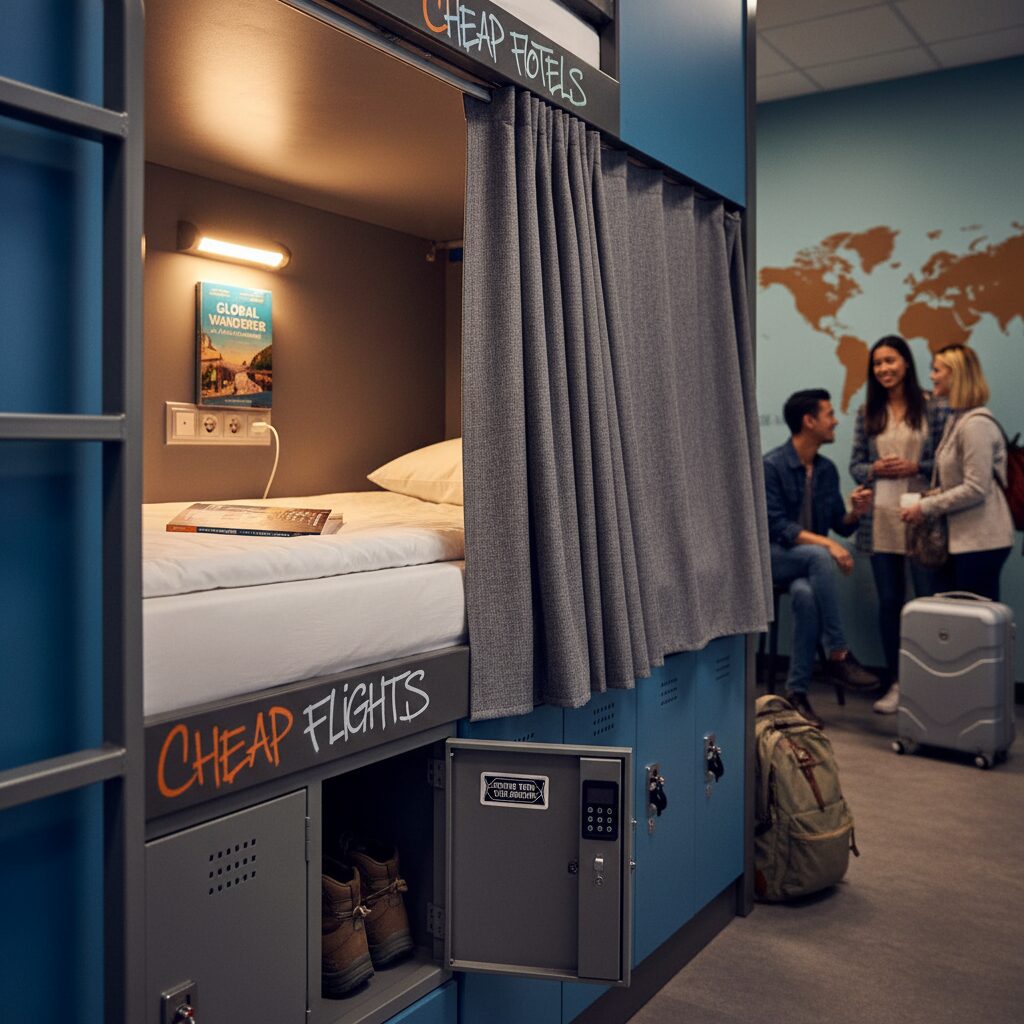
The industry has taken massive strides here. Keycard access for elevators, 24/7 reception security, and under-bed lockers that fit entire backpacks are now the standard, not the exception.
Modern Security Standards
In 2025, if a hostel doesn’t offer a locker, simply don’t book it. It’s that easy. Most top-rated hostels now use RFID wristbands that open your room and your locker, eliminating the need for those clunky padlocks we used to carry (though I still recommend bringing one just in case).
Furthermore, Condor Ferries Solo Travel Stats (2025) indicates that 76% of women travelers feel unsafe holidaying alone. Hostels combat this isolation-based fear better than hotels because there is always staff present and people around. You are rarely truly “alone” in a hostel unless you choose to be.
Mixed vs. Female-Only Dorms
For female travelers, the choice often comes down to comfort.
- Mixed Dorms: Generally cheaper. Great for groups or confident solo travelers.
- Female-Only Dorms: Usually cost 10-15% more. They often include extras like hair dryers, lighted mirrors, and a stricter vetting policy for guests.
The “New” Hostel Experience: Poshtels & Co-Living
If you think hostels are just for 19-year-old backpackers on a gap year, you’re missing out on the “Poshtel” revolution. This is where high design meets budget pricing.
What is a “Poshtel”?
A “Poshtel” (Posh Hostel) combines the style and comfort of a boutique hotel with the social nature of a hostel. We’re talking rooftop yoga, swimming pools, onsite cocktail bars, and designer furniture.
Take Generator Hostels as a prime example. According to Queensgate Investments (2024), Generator reported record revenues of €225mn in 2023/24. This financial success proves that Millennials and Gen Z are willing to “trade down” from 4-star hotels if the aesthetic is right. They don’t want a cheap bed; they want a cool experience that happens to be affordable.
Digital Nomads and Remote Work
The biggest shift I’ve witnessed recently is the integration of workspaces. Industry analysis from Oct 2024 projects the digital nomad population to grow by 35% by 2025. Hostels have adapted faster than hotels.
Look for listings that specifically mention “Coworking Spaces.” These aren’t just tables in the lobby; they are dedicated, quiet rooms with ergonomic chairs and high-speed fiber internet. A 2024 survey by Localyze notes that 50% of nomads change locations every 1-2 weeks—the flexible booking nature of hostels fits this lifestyle perfectly.
The Social ROI: Why You Can’t Put a Price on Vibe
This is the specific factor that Airbnb can never compete with. When you rent an apartment, you are isolated. When you check into a hostel, you have an instant network.
In March 2025, Hostelworld revealed that 80% of their bookings were made by “Social Members” who utilize the app’s chat features. Travelers are actively seeking connection. The app allows you to see who is staying in your hostel before you even arrive and join group chats for dinner plans.
App-Based Socializing:
- Solo System: Join a “Family Dinner” organized by the hostel.
- Tour Groups: Many hostels offer free walking tours (tip-based). This is the safest way to explore a new city if you’re nervous about venturing out alone.
- Nightlife: Pub crawls are standard, but 2025 has seen a rise in “wellness” events like sunrise runs and meditation, catering to the health-conscious traveler.
Who Should (and Shouldn’t) Stay in a Hostel?
Despite the upgrades, hostels aren’t for everyone. It requires a certain level of tolerance for shared spaces.
The Age Limit Myth
A common question is, “Am I too old for a hostel?” In 2025, the answer is generally no. While some specific “party hostels” enforce an 18-35 age limit, most modern properties are open to all.
Hostelworld’s data (2025) shows a rising number of “Flashpackers” (30+ professionals) entering the market. They often book private rooms but use the common areas to socialize. I’ve shared breakfast tables with 19-year-old students and 65-year-old retirees cycling across Europe. The common thread isn’t age; it’s curiosity.
Couples and Families
According to Grand View Research (2024), the private rooms segment in hostels is growing at a CAGR of 8.0%. For couples, a private ensuite in a hostel offers the privacy of a hotel with the fun of a hostel bar, usually at 30% less cost than a standard hotel room.
FAQ: Your Hostel Hesitations Answered
Are hostels safe for solo female travelers in 2025?
Yes, generally very safe. Modern hostels prioritize security with keycard access, 24/7 manned receptions, and female-only dorms. Statistics show 60% of solo travelers are female, driving hostels to cater specifically to this demographic with enhanced safety features.
Do hostels have age limits?
Most do not. While some specific youth/party hostels restrict guests to the 18-35 range, the vast majority of “Poshtels” and boutique hostels welcome travelers of all ages. Always check the “House Rules” section before booking.
Is it cheaper to stay in a hostel or an Airbnb?
For solo travelers and couples, hostels are almost always cheaper due to the high cleaning and service fees associated with Airbnb. Airbnbs usually only become cost-effective for groups of 3 or more people sharing a single unit.
Do I need to bring my own sheets and towel?
Linens (sheets, pillows) are almost always included in the price in 2025. However, towels are often an extra charge ($2-$5) in dorms, though usually included in private rooms. I recommend carrying a quick-dry microfiber travel towel.
What is a ‘Poshtel’?
A ‘Poshtel’ is a luxury hostel that combines the social vibe of a hostel with the design and amenities of a boutique hotel. Expect pools, ensuite bathrooms, high-quality mattresses, and coworking spaces.
Conclusion: The Verdict on Value
So, are hostels good for budget travel? In 2025, they are arguably the best option for budget travel, but not just because they save you money.
The real value lies in the “Green” factor and the “Social” factor. With 92% of hostel guests regarding themselves as green travelers, the industry is leading the charge in sustainable tourism. You aren’t just saving cash; you’re likely lowering your carbon footprint compared to staying in a massive resort complex.
If you prioritize privacy above all else and hate the idea of saying hello to a stranger over breakfast, stick to a hotel. But if you want to stretch your budget, work remotely with reliable WiFi, and potentially meet your new best friend (or future travel partner) in a kitchen in Lisbon or a rooftop in Bangkok, the modern hostel is unbeatable.
My advice? Book one night. If you hate it, you’re only out $30. But chances are, you’ll extend your stay.